Island Hopping in Style: Choosing Between Helicopters and Fixed-Wing Aircraft for Short Trips
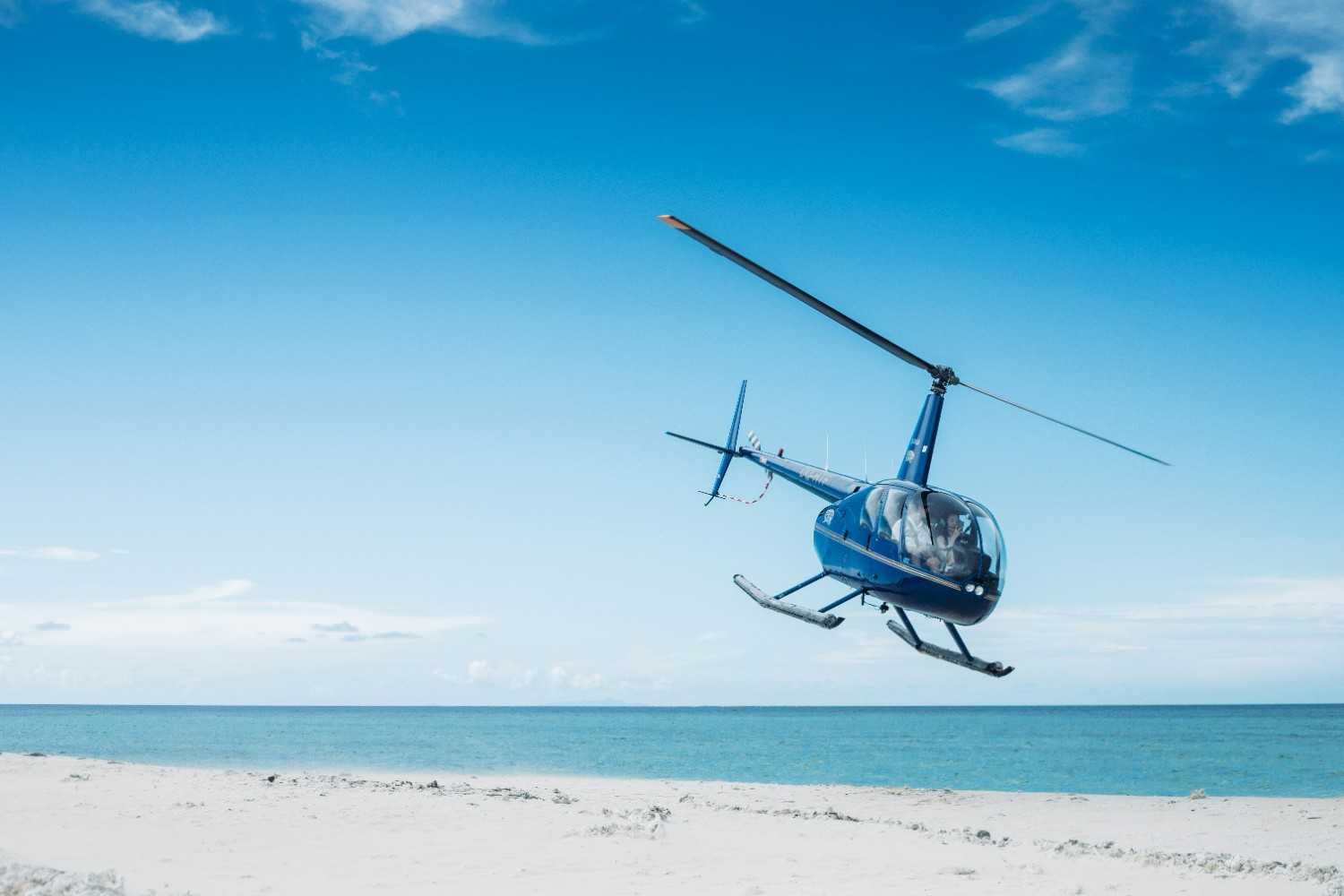
When planning a short-haul island trip, the aircraft you choose can shape your entire experience, from travel time to comfort to cost. Many travelers find themselves weighing the convenience of helicopters against the efficiency of fixed-wing aircraft, especially when routes are short and scenic. In the middle of planning such journeys, travel experts like Glenn Allyn often highlight the importance of matching the aircraft type to the specific travel needs of the route.
Helicopters and fixed-wing planes operate very differently. Helicopters can take off and land vertically, making them perfect for areas without traditional runways. Fixed-wing aircraft, on the other hand, require runways but are generally faster over longer distances and more fuel-efficient. Understanding these differences helps travelers make smarter choices based on distance, terrain, and accessibility.
Accessibility and Landing Flexibility
One of the biggest advantages helicopters offer is unmatched accessibility. They can land on small helipads, beaches, or even private properties, which is a game-changer for remote islands without developed infrastructure. This flexibility often means travelers can reach their final destination more quickly without additional transfers, saving time and effort.
Fixed-wing aircraft require runways, which limit their reach to airports or airstrips. At the same time, many islands have small regional airports; some of the more secluded destinations do not. In these cases, travelers may need to combine flights with boat rides or ground transportation, adding extra steps to what could otherwise be a simple journey.
Speed and Efficiency Over Short Distances
When it comes to speed, the answer is not always straightforward. Fixed-wing aircraft typically cruise faster than helicopters, especially over longer distances. For routes between moderately distant islands, planes often offer faster travel times and better fuel efficiency.
However, for very short distances, helicopters can actually be more time-efficient. Because they do not rely on runways, helicopters reduce time spent taxiing, boarding, and transferring, making them a surprisingly quick solution in situations where every minute counts, such as business trips or tight itineraries.
Comfort and Passenger Experience
Comfort can vary significantly between helicopters and fixed-wing planes. Helicopters tend to have smaller cabins, which can feel more intimate but also more cramped, especially for longer trips. Noise levels are typically higher, which might not appeal to every traveler.
Fixed-wing aircraft usually provide a more stable and quieter ride. They often have more space, better seating arrangements, and sometimes even amenities like refreshments or restrooms on slightly larger planes. For travelers who prioritize comfort and a smoother journey, fixed-wing options often come out ahead.
Scenic Value and Travel Experience
For many island travelers, the journey itself is just as important as the destination. Helicopters excel in providing breathtaking views thanks to their ability to fly lower and hover. Passengers can enjoy panoramic sights of coastlines, reefs, and landscapes in a way that feels almost cinematic.
Fixed-wing planes also offer beautiful views, but from a higher altitude. While the scenery is still impressive, it lacks the close-up detail that helicopters provide. That said, for travelers who prefer a calmer and less intense visual experience, flying higher can actually be more enjoyable.
Cost Considerations
Cost is often a deciding factor when choosing between helicopters and fixed-wing aircraft. Helicopter travel is generally more expensive due to higher operational costs, limited seating capacity, and specialized maintenance requirements. This makes it more common for luxury travel or small group charters.
Fixed-wing aircraft tend to be more budget-friendly, especially when traveling with multiple passengers. They can carry more people and operate more efficiently over distance, which helps reduce the cost per seat. For travelers looking to balance comfort and affordability, fixed-wing planes are often the more practical choice.
Safety Perceptions and Realities
Safety is always top of mind when it comes to air travel. Both helicopters and fixed-wing aircraft are subject to strict safety regulations and maintenance standards. However, public perception sometimes views helicopters as riskier due to their mechanical complexity and lower altitude operations.
In reality, both aircraft types are very safe when operated by certified professionals. Fixed-wing aircraft benefit from a long history of commercial use and well-established infrastructure. Helicopters, despite their design differences, are widely used in industries such as emergency services and offshore transport, proving their reliability in demanding conditions.
Environmental Impact
Fixed-wing planes are typically more fuel-efficient, especially when operating at optimal cruising speeds. As sustainability becomes a higher priority, many travelers and operators are seeking ways to reduce emissions, making fixed-wing aircraft a more eco-conscious choice in many cases.
Environmental considerations are becoming increasingly important in travel decisions. Helicopters generally consume more fuel per passenger compared to fixed-wing aircraft, which can result in a higher carbon footprint for short trips.
Choosing the Right Option for Your Trip
Ultimately, the best choice depends on your specific travel needs. If you are heading to a remote island with no runway or want a quick, direct route with stunning views, a helicopter might be the perfect fit. It offers flexibility and a unique experience that is hard to match.
On the other hand, if your destination has an airport and you value comfort, cost-efficiency, and a smoother ride, a fixed-wing aircraft is likely the better option. By considering factors such as distance, budget, and personal preferences, you can choose the aircraft that makes your island journey a seamless and memorable adventure.