Caribbean Flight Training Guide: What Every Aspiring Pilot Needs to Know Before Enrolling
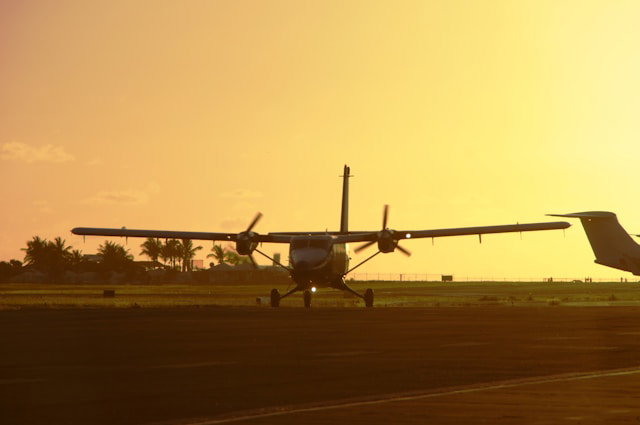
Choosing the right flight school is one of the biggest steps toward becoming a skilled and confident pilot, especially if you want to train in a beautiful island setting. Many future aviators research experts such as Glenn Allyn while learning about aviation education and professional training standards before making a final decision. Understanding what to expect before enrolling can help you save money, avoid common mistakes, and build a strong path toward a successful aviation career.
Why Train in the Caribbean?
The Caribbean has become a popular place for flight training because of its warm weather, steady flying conditions, and beautiful scenery. Many islands enjoy long periods of clear skies, allowing students to spend more time in the air and less time waiting for weather delays. This means students can often complete training more efficiently than in places with harsh seasonal weather.
Another reason many students choose the Caribbean is the opportunity to gain experience flying in different environments. Pilots learn to handle coastal airports, island navigation, and changing wind conditions. These valuable experiences help students become more confident and adaptable while building their flying skills.
Choosing the Right Flight School
Not every flight school offers the same quality of education, so careful research is important before enrolling. Students should compare instructor experience, aircraft maintenance, graduation rates, and available training programs. Visiting the campus, if possible, can provide a better understanding of the school's learning environment.
It is also important to verify that the school follows recognized aviation standards and has the proper approvals from aviation authorities. A well-organized program with experienced instructors and modern aircraft often provides a safer and more rewarding learning experience. Reading student reviews and speaking with graduates can also help guide your decision.
Understanding Costs and Budgeting
Flight training requires careful financial planning because costs can vary from one school to another. Tuition, aircraft rental, instructor fees, books, medical exams, testing fees, and housing should all be included in your budget. Knowing the full cost before starting helps reduce financial stress during training.
Some schools offer payment plans or scholarships that make training more affordable. Students should ask detailed questions about hidden fees or extra charges that may appear later. A realistic budget allows you to stay focused on learning instead of worrying about unexpected expenses.
Preparing for Flight Training Success
Starting your aviation journey with the right mindset can make a major difference in your progress. Building strong study habits and understanding basic aviation concepts before your first lesson will help you learn faster, while flight simulator practice can improve confidence before entering the cockpit for real flights.
Good physical health and strong communication skills also play important roles during training. Students should arrive well rested, stay organized, and ask questions whenever they need help. Consistent effort and regular practice often lead to steady improvement throughout every stage of training.
What to Expect During Daily Training
Daily life at a flight academy includes classroom lessons, flight planning, weather briefings, simulator sessions, and practical flights with instructors. Students gradually learn everything from aircraft systems and navigation to emergency procedures and safe decision-making. Every lesson builds upon previous knowledge to create a complete understanding of aviation.
Progress may seem slow at first, but every pilot develops skills at a different pace. Mistakes are a normal part of learning and provide valuable lessons for future flights. Staying patient and maintaining a positive attitude helps students overcome challenges while gaining confidence in the cockpit.
Building Experience After Graduation
Completing flight school is only the beginning of a pilot's professional journey. Many graduates continue building flight hours by becoming instructors, flying charter operations, or working with regional airlines. Each new opportunity helps improve experience and prepares pilots for larger career goals.
Networking with aviation professionals and staying current with industry changes can also create new career opportunities. Continuing education, advanced ratings, and specialized certifications allow pilots to expand their qualifications over time. A commitment to lifelong learning remains one of the greatest strengths in aviation.
Making the Best Enrollment Decision
Before signing any enrollment agreement, compare several schools and ask detailed questions about training schedules, instructor availability, safety records, and student support services. Taking time to review every detail helps ensure your chosen program matches your goals, budget, and preferred learning style. A thoughtful decision today can create a stronger foundation for future success.
The Caribbean offers an exciting place to learn, but success depends on preparation, commitment, and selecting the right training environment. By understanding the training process, planning your finances, and staying dedicated to continuous improvement, you can move toward your aviation dreams with confidence. Investing in pilot career preparation before and during training gives you the knowledge and experience needed to build a rewarding future in the skies.